

 Beatrice Karanja has over 20 years of experience as a communications development professional covering the African continent, but her passion lies in accelerating the interface between women’s role in science and the business of nature. Beatrice has awarded Mara Elephant Project a grant of $17,000 to support the launch of the MEP Experimental Farm. Launched in August 2021, the goal of the farm is to determine what agricultural crop types are preferred by elephants. With the data collected, MEP will trial low-cost, best practice agricultural solutions for communities that will promote human elephant co-existence.
Beatrice is supporting the farm through her foundation, Nature’s Pitch, which will launch later this year. Their key aim is to elevate biodiversity protection while alleviating poverty.
“This is the thing with conservation/biodiversity protection. We keep moving in circles because we need more data sets to show that our efforts are working. I loved the farm because not everything has to be so complex. Sometimes a simple solution like creating a farm to study elephant preferences of crops is all the data we need,” she says. “Africa’s economy is primarily agriculture based and when you combine that with conservation to explore how to better protect livelihoods so that elephants aren’t raiding crops. It’s a simple solution, but if we don’t have the requisite data to move forward, we just keep going in circles.”
Beatrice is also looking at the business of nature. Through Nature’s Pitch, she will be supporting and funding projects that merge economic growth with biodiversity protection.
Beatrice’s impressive conservation resume includes working with Lewa Wildlife Conservancy, African Wildlife Foundation, Northern Rangelands Trust and supporting Tusk Trust, Natural State and Kenya Wildlife Trust and MEP as a board member/trustee. Being a part of these organizations has shaped how she plans to make an impact.
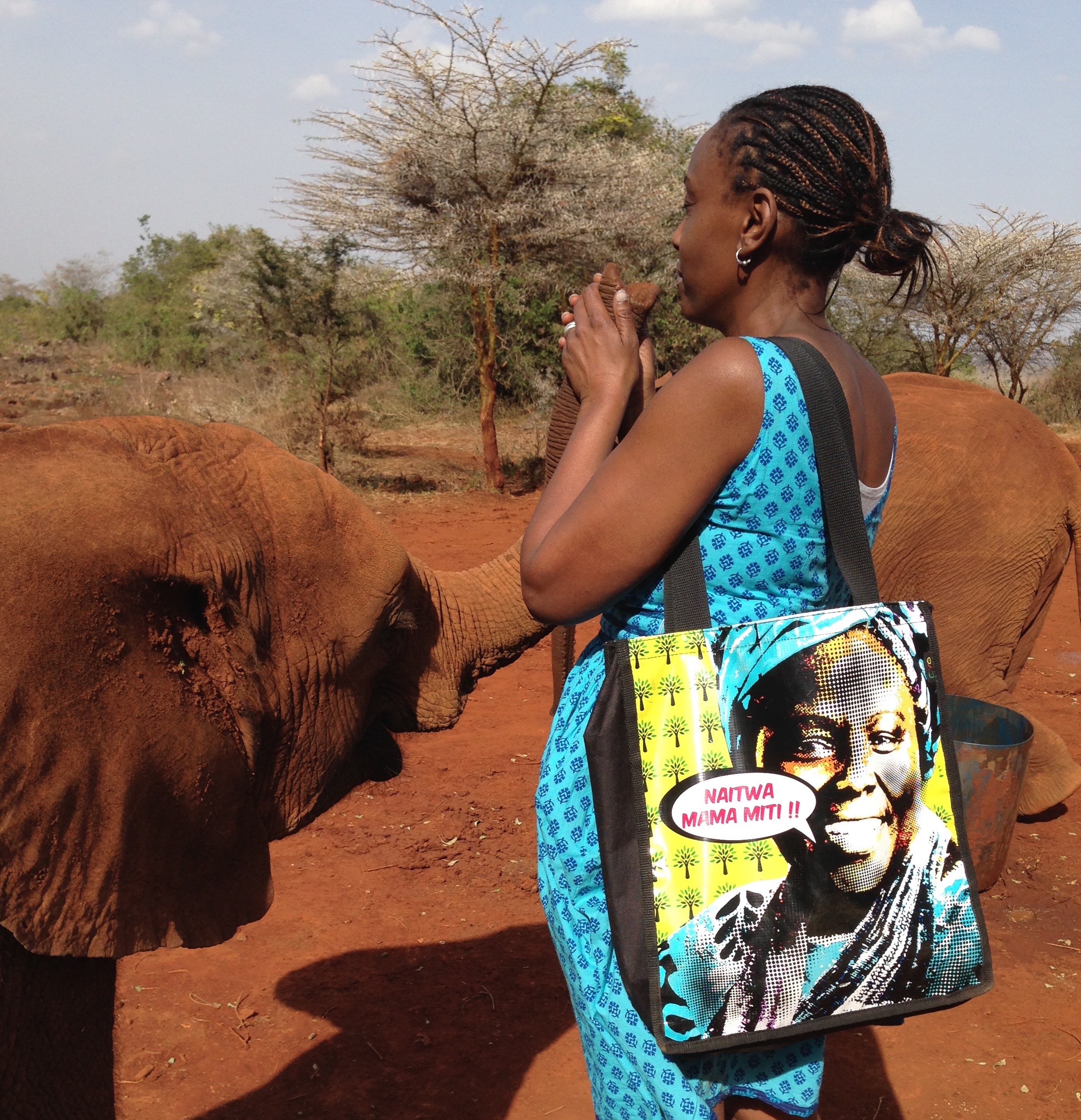
“Being on the ground and part of various conservation organizations has shown me that we’re so good at the protection of species and biodiversity, but we don’t look at it holistically,” she says. “For us to better protect nature, we have to understand the value of it to other sectors and what role we play in creating a combined force for good. We have to find ways to keep the protection of nature growing and we do that by making it a business. I believe that with the end goal of a business being a mission to protect biodiversity and leverage its value, we can change many lives.”
 Beatrice is the first female chairwoman of Mara Elephant Project Trust in Kenya and her life-long love of protecting the natural world and women’s role in protecting it has driven her to serve.
The next great step in this mission is getting more women interested in science. That’s why Abigael Pertet, MEP’s Experimental Farm manager, is such a game changer and someone Beatrice wanted to support. “To be a woman in conservation doesn’t mean you have to be an ecologist.” Beatrice wants every woman taking an interest in conservation to know that it doesn’t need to be done the traditional way. “We’re not all scientists in this field! You can be an accountant for a conservation organization or work in a think tank advising governments on policy. We come from many different sectors but are driven to protect our future of our natural heritage.”
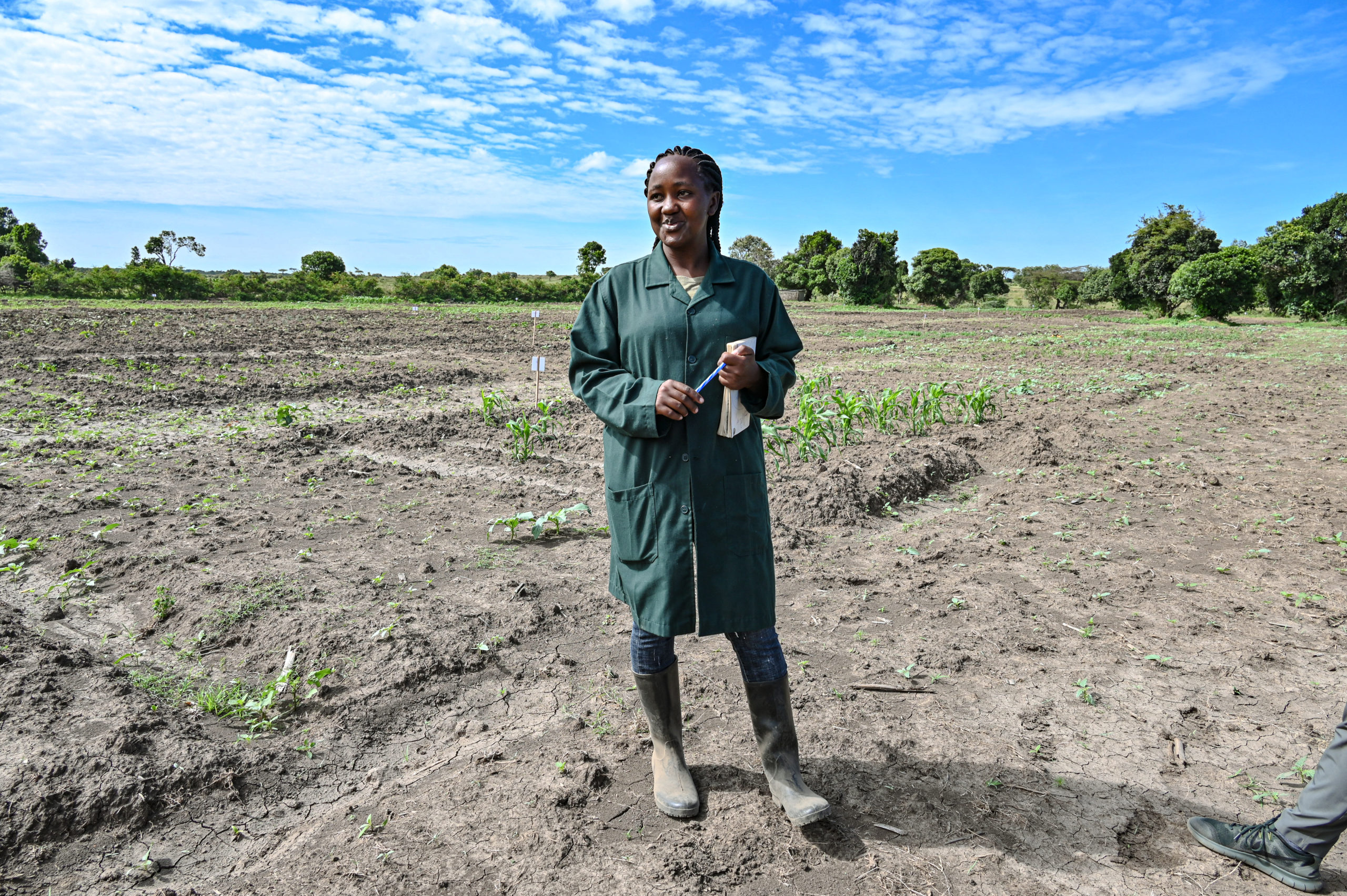
For the near future, Beatrice is most excited about women like Abigael having a leadership role at a conservation organization that focuses on driving simple science and data solutions to solve complex issues.


